

As we approach the somber one-year mark since the escalation of hostilities in Gaza, the Israel-Palestine conflict continues to exact a heavy toll on civilian lives and infrastructure. This update focuses on the reported deaths and the extent of destruction in Palestine, particularly in the Gaza Strip.
Staggering Loss of Life
According to the latest reports from the United Nations and various humanitarian organizations, the death toll in Gaza has reached catastrophic levels. While exact figures are difficult to verify due to the ongoing conflict, it’s estimated that over 50,000 Palestinians have lost their lives since the conflict’s escalation. This number includes a disproportionate number of women and children, highlighting the devastating impact on civilian populations.
The Israeli death toll, while significantly lower, has also seen an increase, with several hundred reported casualties, primarily due to rocket attacks and border clashes.
Widespread Destruction in Gaza
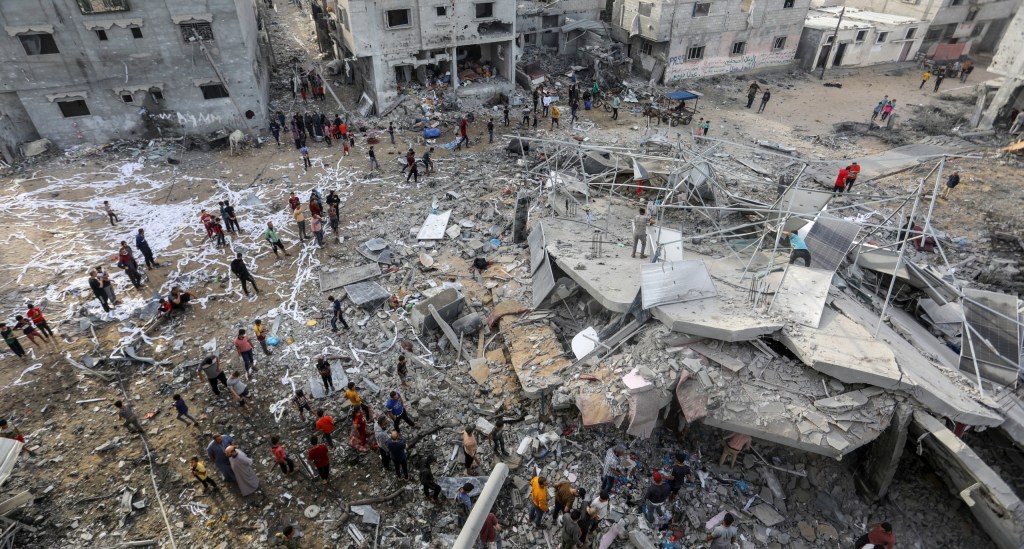
The physical devastation in Gaza is unprecedented in recent history. Satellite imagery and ground reports paint a grim picture:
- Housing: An estimated 70% of residential buildings in Gaza have been damaged or destroyed, leaving hundreds of thousands homeless.
- Healthcare: Over 80% of hospitals and primary healthcare centers are non-operational due to damage or lack of supplies.
- Education: Approximately 90% of schools have been impacted, with many completely destroyed or repurposed as shelters.
- Infrastructure: Critical infrastructure including water treatment plants, power stations, and sewage systems have been severely damaged, leading to a near-total collapse of basic services.
- Cultural Heritage: Numerous historical sites and cultural institutions have been damaged or destroyed, erasing irreplaceable pieces of Palestinian heritage.
Humanitarian Crisis
The destruction has precipitated a humanitarian crisis of staggering proportions:
- Displacement: Over 1.5 million Gazans are internally displaced, many living in overcrowded shelters or makeshift camps.
- Food Insecurity: Nearly the entire population of Gaza is facing acute food insecurity, with malnutrition rates skyrocketing.
- Water Crisis: Access to clean water is severely limited, with most water sources contaminated or inaccessible.
- Medical Emergency: The healthcare system’s collapse has led to outbreaks of disease and inability to treat chronic conditions or war injuries.
International Legal Proceedings
The International Court of Justice (ICJ) case brought by South Africa against Israel has progressed, with the court issuing several interim orders demanding increased humanitarian access and protection of civilians. However, enforcement remains a challenge.
The International Criminal Court (ICC) investigation into alleged war crimes has expanded, with prosecutors gathering evidence from both sides of the conflict.
Global Response and Aid Efforts
The international community’s response has been mixed:
- Humanitarian Aid: Despite logistical challenges, international organizations have managed to deliver some aid, though it falls far short of the overwhelming need.
- Diplomatic Efforts: Numerous countries have called for an immediate ceasefire, with some withdrawing diplomatic support from Israel in protest.
- Sanctions and Pressure: Several nations and international bodies have imposed sanctions or restrictions on Israel, citing concerns over the proportionality of its military response.
Looking Ahead
As the conflict enters its second year, the prospects for peace remain dim. The scale of destruction in Gaza presents enormous challenges for future reconstruction efforts. The loss of life and infrastructure has set the region back decades, with long-term implications for health, education, and economic development.
International pressure for a resolution is mounting, but deep-seated issues remain unresolved. The humanitarian crisis continues to worsen, demanding urgent and sustained global attention.
The coming months will be critical in determining whether diplomatic efforts can pave the way for a ceasefire and eventual peace negotiations, or if the cycle of violence will continue to escalate, further devastating the lives of millions in the region.


 The Brief Scoop
Leave a comment