

What Does Her African Background Portend?
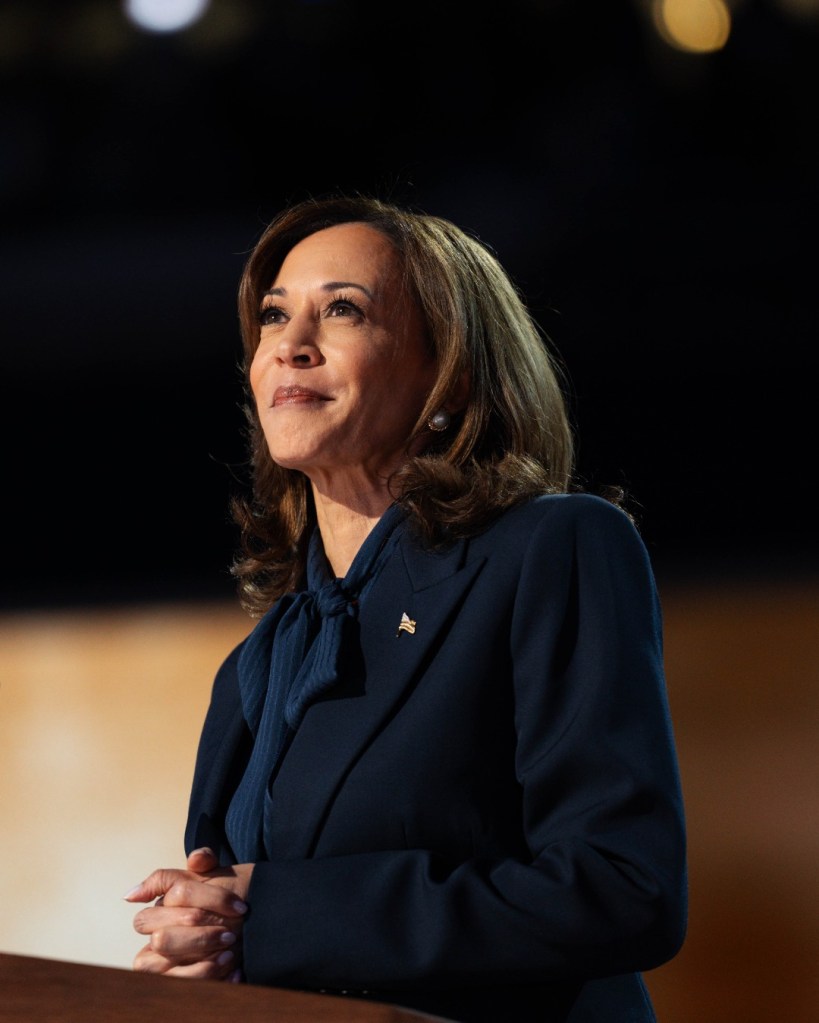
The recent nomination of Kamala Harris as the first Black woman and second Black person or woman to be nominated for President by a major U.S. political party is undoubtedly historic. Certainly, the implication for greater equality in the United States and around the world is significant and shouldn’t be dismissed. The United States, like it or not, has a disproportionate impact on global matters after all. On this occasion, this is a positive development. However, as we at BriefScoop.com consider the implications for Africa, it’s crucial to look beyond the symbolism and focus on potential policy impacts. Here’s what Africans should be paying attention to.
Continuity in U.S. Foreign Policy
While Harris’s nomination breaks new ground, it’s important to remember that American foreign policy often maintains consistency regardless of party affiliation. Africans should not expect dramatic shifts in U.S.-Africa relations based solely on this nomination.

Potential for Nuanced Engagement
Harris’s multicultural background and her focus on addressing systemic issues domestically could potentially translate to a more nuanced understanding of international challenges, including those facing Africa. However, this potential should be viewed with cautious optimism.
Rhetoric vs. Concrete Action
Harris’s emphasis on unity and moving beyond divisive politics is commendable. However, Africans should focus on concrete policy proposals rather than rhetoric. Any specific plans or strategies she might propose for U.S.-Africa relations should be viewed from the perspective that U.S. foreign policy is generally predatory from an economic perspective in particular and towards Africa especially. This applies regardless of the party of the president.
Comparison with Trump
Is there an actual difference, then, between a potential Kamala administration as compared to Trump. With certainty, yes. There has been a real infiltration into the African political milieu by U.S. White Christian evangelicals leading to an intriguing support of former President Trump by Africans, particularly in Kenya and Nigeria.
There is also this misplaced idea that Trump would be less interventionist and therefore, that a Trump presidency would portend greater peace across the globe. While true that Trump might be better for both Russia and North Korea, there is absolutely no evidence that Trump is less inclined to an interventionist approach.
In fact Trump did not shy away from confrontation with China. He was quite aggressive in his stance towards Iran and Venezuela. Trump even went on to declare that the United States should bomb Ethiopia’s Grand Ethiopian Renaissance Dam!
This suggests that Trump might be less restrained regarding intervention, particularly in Africa. In particular it’s very much within the realm of imagination that Trump would authorize intervention in the affairs of the Alliance of Sahel States, an alliance that has the wide support of Africans across the continent.
Africans should critically assess how a Harris potential presidency might differ in approach to intervention and engagement with African nations.
Economic and Trade Relations
Pay close attention to any statements or policy proposals from Harris regarding trade agreements, economic partnerships, or development initiatives with African countries. These could have significant implications for the continent’s economies. History would suggest that the consistency of American predatory economic policies would continue to be a disadvantage for Africans. The resistance to predatory economic policies should be no less aggressive and Africans must not rest on the laurels of disarmed comfort under a Harris administration.
Climate Change and Environmental Policies
Given Africa’s vulnerability to climate change, any positions Harris takes on global environmental issues could have far-reaching consequences for the continent. Her stance on international climate agreements and support for green initiatives will be particularly relevant.
Health and Pandemic Response
In light of the ongoing global health challenges, Africans should consider Harris’s stance on global health initiatives and international cooperation in pandemic response. This could impact future collaborations and support in health crises.
Diplomatic Approach
Harris’s emphasis on collective effort and building a better future for all could potentially translate to a more collaborative approach in international relations. Watch for signs of how this might manifest in U.S.-Africa diplomacy.
Human Rights and Democracy
Pay attention to Harris’s positions on human rights and democratic processes globally. These views could influence U.S. policy towards various African nations, potentially affecting aid, trade, and diplomatic relations.

Representation and Symbolism
While the historic nature of Harris’s nomination is significant, it’s crucial to focus more on policy substance than symbolism. Her background doesn’t automatically guarantee a more favorable stance towards African issues.
Conclusion
As we at BriefScoop.com analyze this historic nomination, we urge Africans to maintain a pragmatic approach. Focus on potential policies and actions rather than rhetoric or symbolism. Remember that U.S. foreign policy is influenced by many factors beyond any individual candidate. It’s essential to analyze Harris’s potential impact within the broader context of U.S. strategic interests and the complex dynamics of international relations.
The coming months will be crucial in understanding how a potential Harris vice presidency might shape U.S.-Africa relations. As always, we’ll be keeping a close eye on developments and providing in-depth analysis on their implications for our continent.


 The Brief Scoop
Leave a comment