
– Developments and Challenges
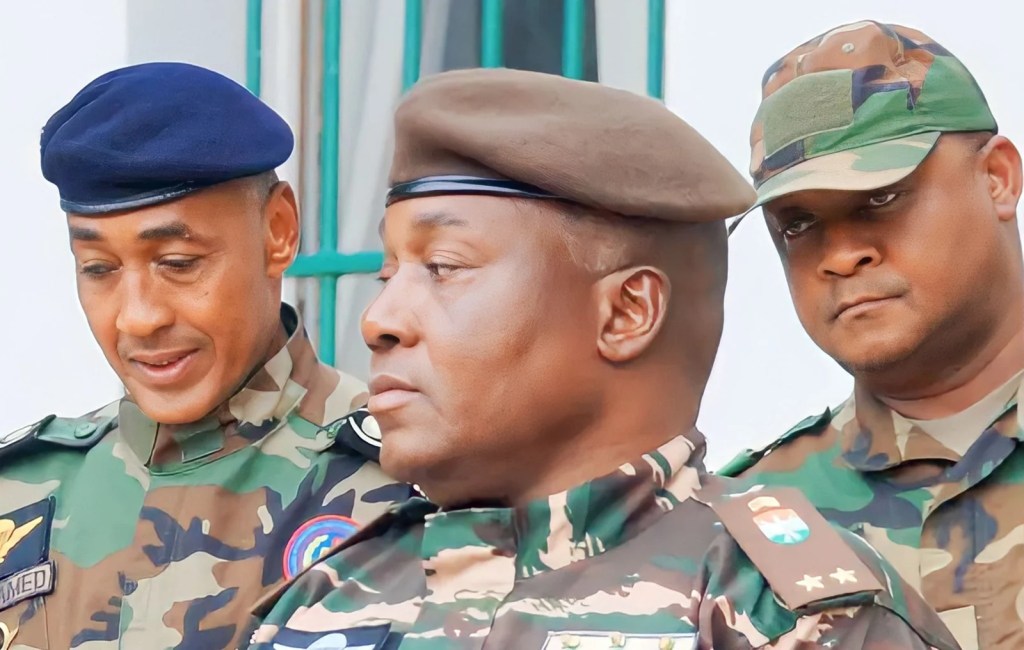
Niamey, Niger – It’s been over a year since the July 26, 2023 coup that ousted former president Mohamed Bazoum and brought General Abdurahmane Tchiani to power. The military government’s tenure has been marked by significant changes and challenges for this West African nation.
Economic Developments
Initially, there were signs of economic improvement. In the first few months after the coup, Niger’s GDP per capita reportedly increased from $533 to $590. The military government’s ambitious plans to nationalize mines and drastically increase uranium prices from €0.80 per kg to €200 per kg caused a stir in global markets.
However, the reality of implementing such radical changes has proven more complex. While some progress has been made in renegotiating contracts with foreign mining companies, the process has been slower and more contentious than initially anticipated. The global uranium market has experienced volatility, with prices fluctuating as buyers and sellers adjust to the uncertain political climate in Niger.
International Relations
Niger’s new government has maintained its anti-imperialist stance, particularly against former colonial power France. This has led to strained relations with Western nations and international organizations. The country has strengthened ties with other military-led governments in the Sahel region, particularly Burkina Faso and Mali, forming a loose alliance focused on regional security and economic cooperation.
Relations with Russia have warmed, with increased military cooperation and economic ties. However, this has further complicated Niger’s position on the global stage, as Western nations view this shift with concern.
Domestic Challenges
While initial popular support for the coup was high, the government now faces the challenge of delivering on its promises. The nationalization of resources and increased social spending have put a strain on the country’s finances. Infrastructure development and improvements in public services have been slow to materialize, leading to growing frustration among some segments of the population.
The security situation remains a concern, with ongoing threats from extremist groups in the Sahel region. While there have been some successes in counter-terrorism operations, the challenge persists, requiring significant resources and international cooperation.
Economic Projections and Reality
The IMF’s projection of Niger becoming the 4th fastest-growing economy in the world, with an 11.1% growth rate in 2024, has proven optimistic. While there has been growth, it has been more modest than initially forecast. The challenges of implementing sweeping economic changes, coupled with international sanctions and the global economic climate, have tempered expectations.
Conclusion
A year after the coup, Niger finds itself at a crossroads. The military government’s ambitious plans for economic sovereignty and social development have met with both successes and setbacks. As the country navigates its new path, balancing domestic needs with international relations remains a significant challenge.
The coming months will be crucial in determining whether General Tchiani’s government can translate its populist rhetoric into tangible improvements for the Nigerien people, while managing the complex realities of global politics and economics.


 The Brief Scoop
Leave a comment